My hands-on time with MercurySteam's Blades of Fire began with expectations of a Castlevania: Lords of Shadow revival, modernized with a God of War sheen. An hour in, it felt like a Soulslike, albeit one where weapon stats, not character sheets, dictated power. Three hours later? Both initial impressions were simultaneously right and wrong. Blades of Fire undeniably draws from familiar sources, yet its unique blend of borrowed mechanics and original ideas creates a surprisingly fresh action-adventure experience.
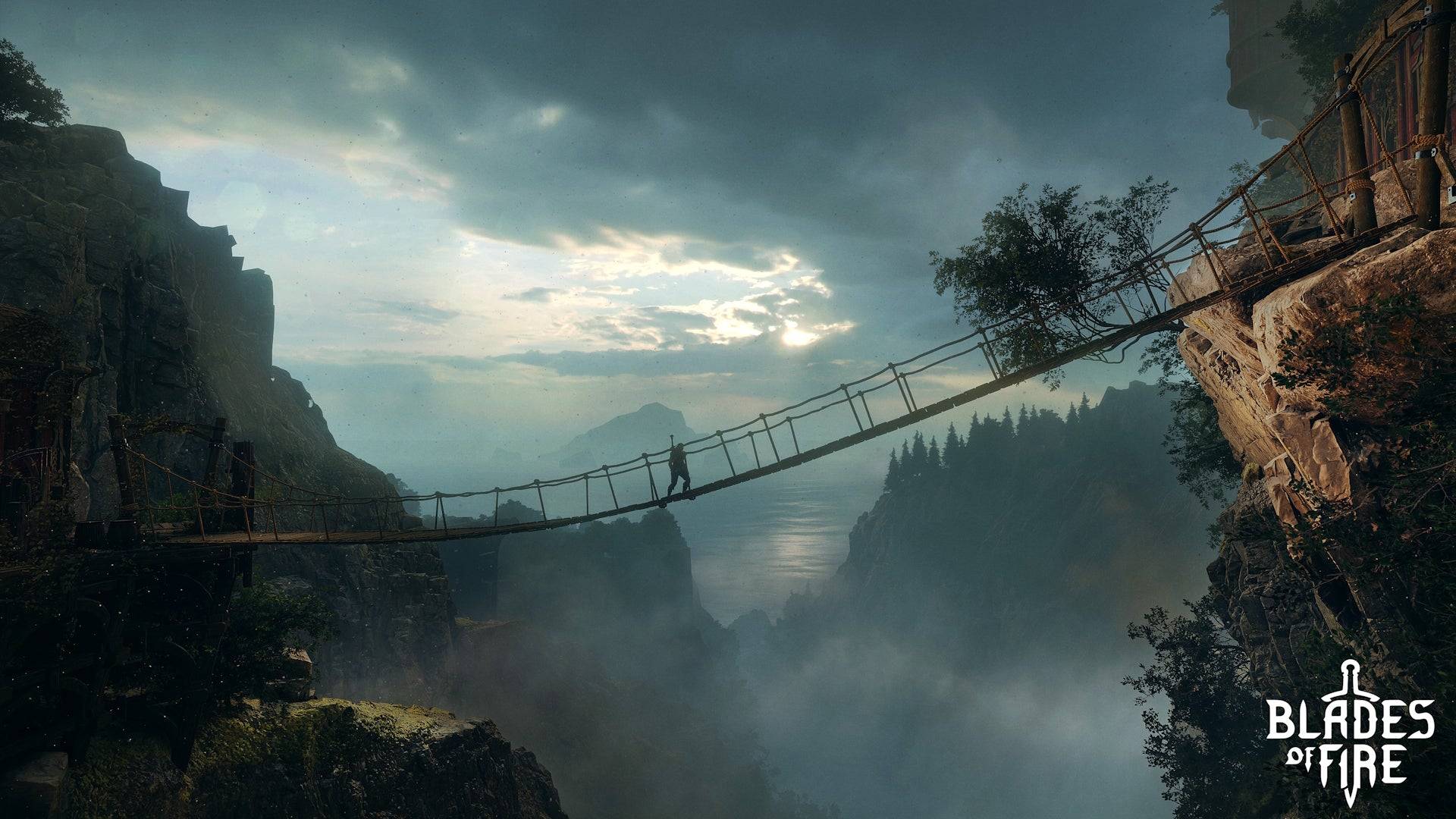
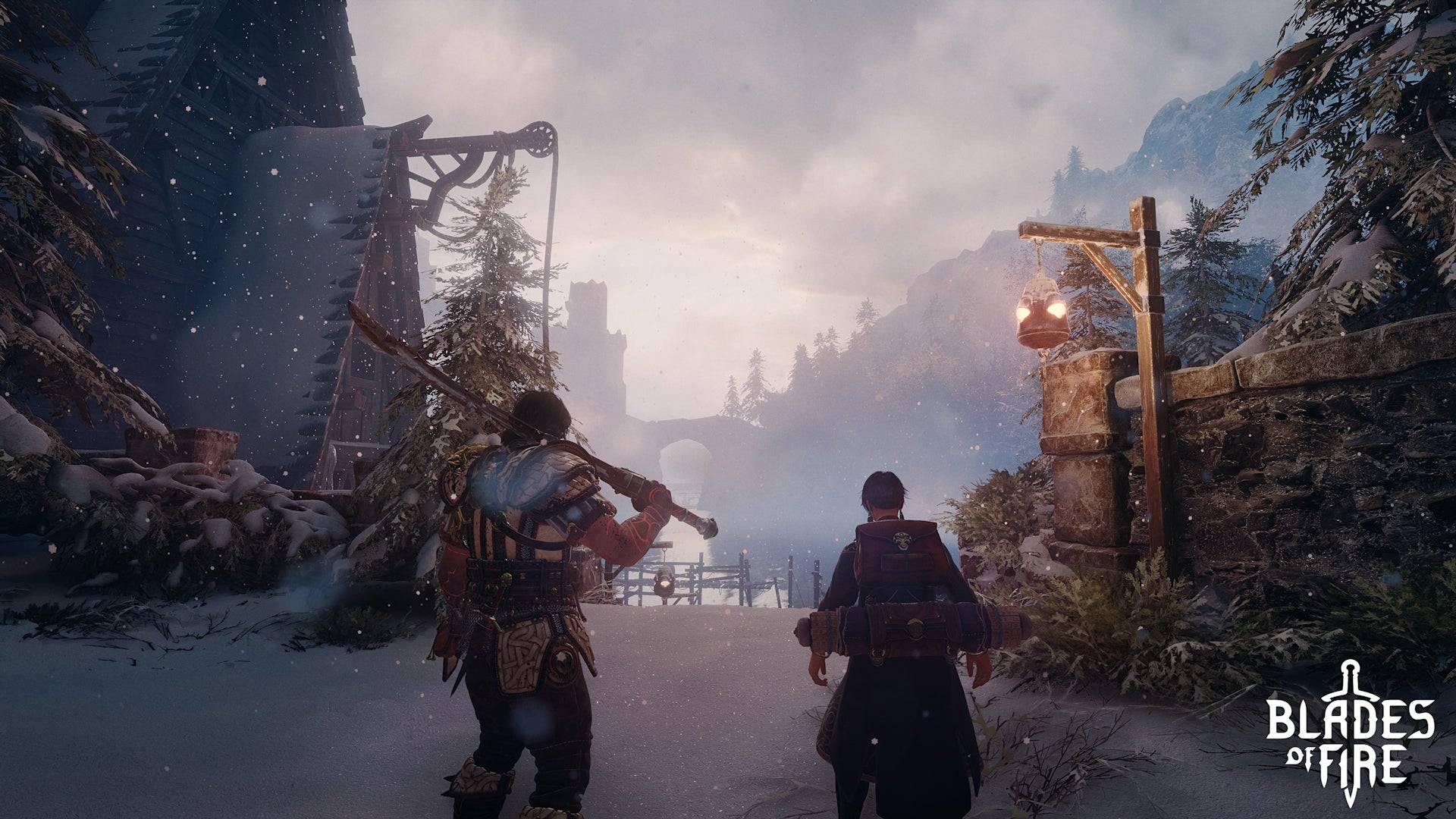
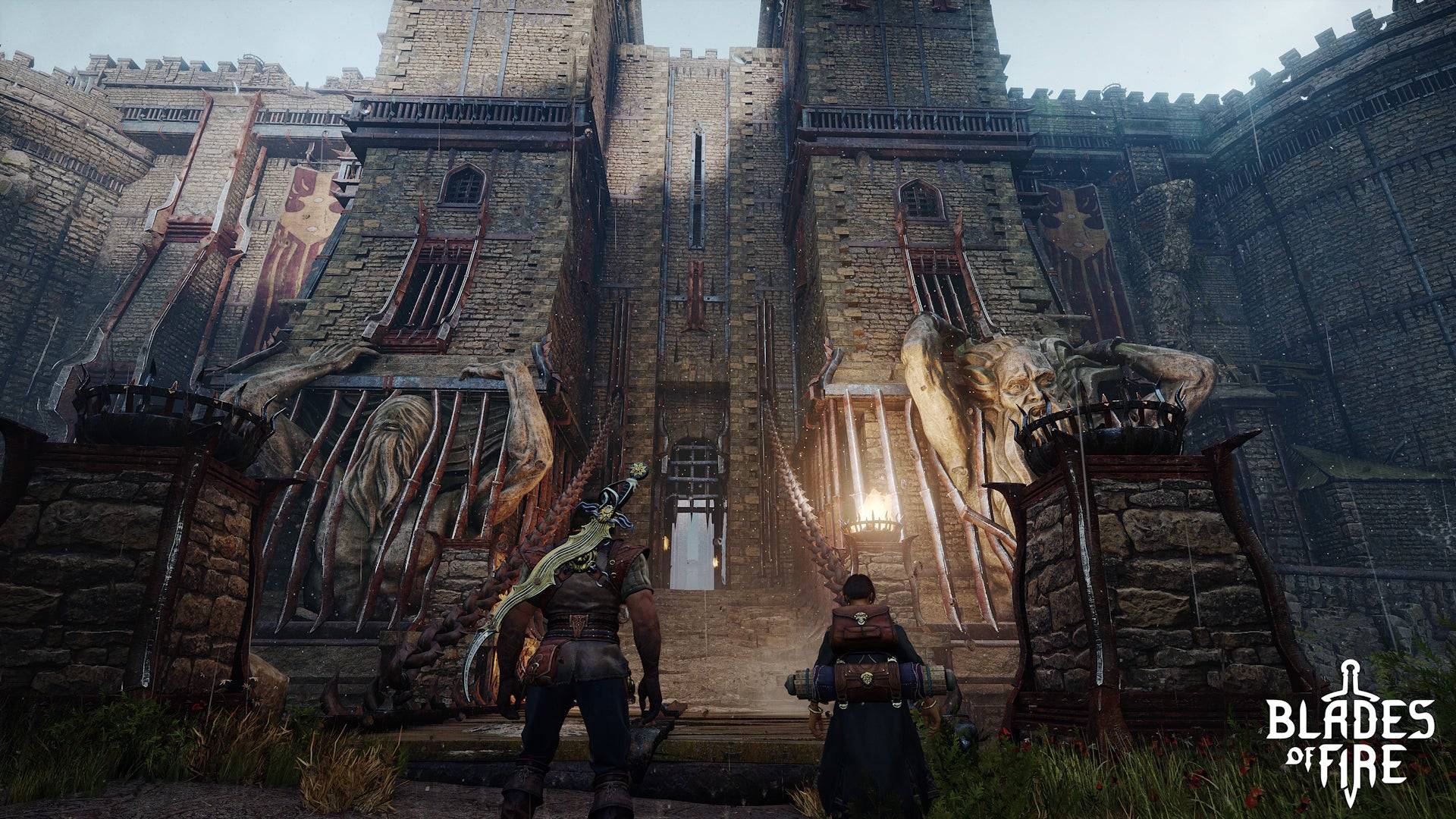
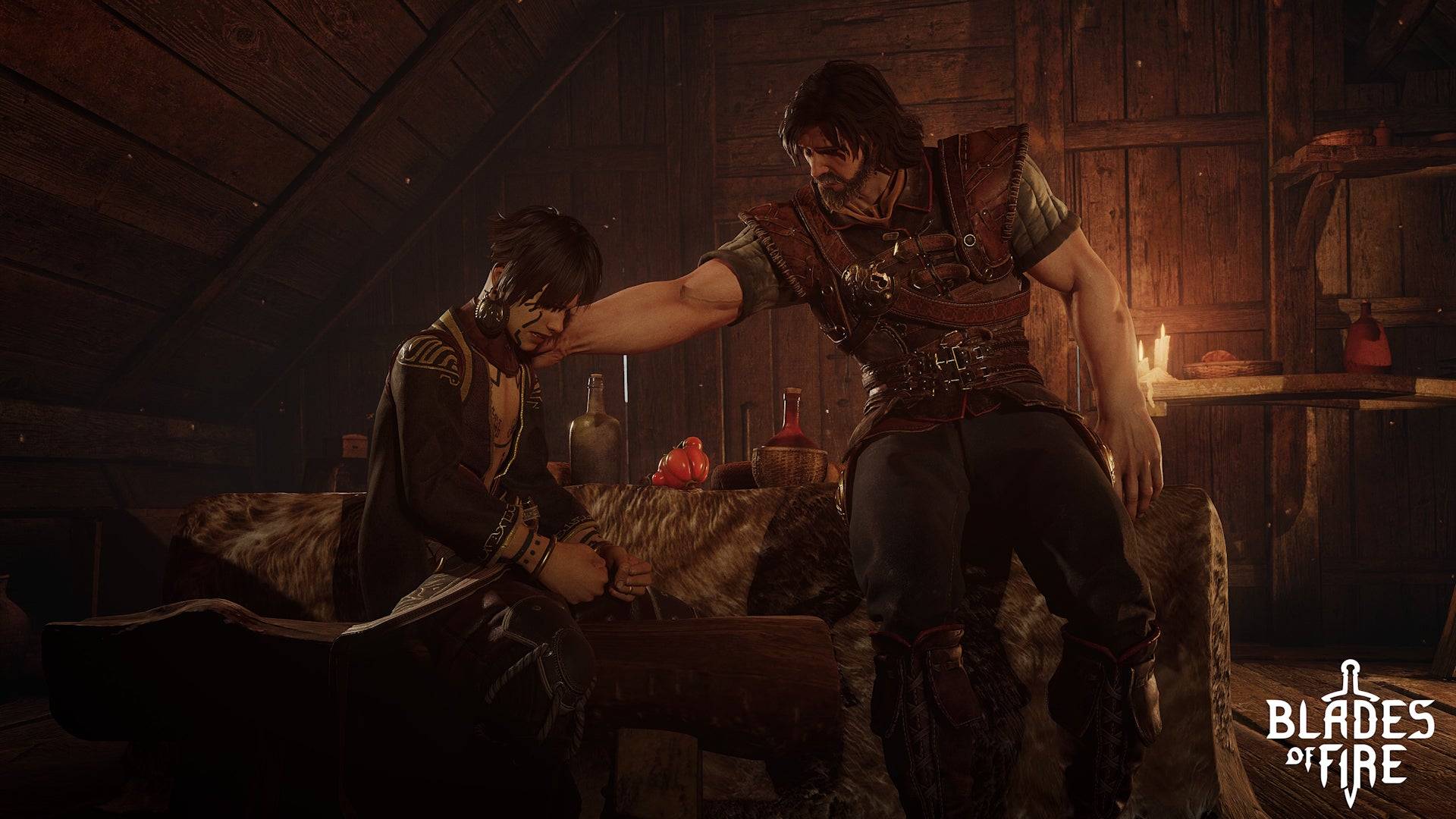
While not a direct God of War clone, the initial resemblance is undeniable. The dark fantasy setting, weighty combat, and close-quarters third-person camera strongly evoke Kratos' Norse saga. The parallels extend further: my early-game demo involved exploring a labyrinthine map, packed with treasure chests, alongside a young companion who aided in puzzle-solving. Our quest led us to a wild woman dwelling in a house perched atop a colossal creature. At times, the familiarity feels excessive, especially given the numerous nods to FromSoftware's catalog, including anvil-shaped checkpoints that replenish health potions and respawn enemies.
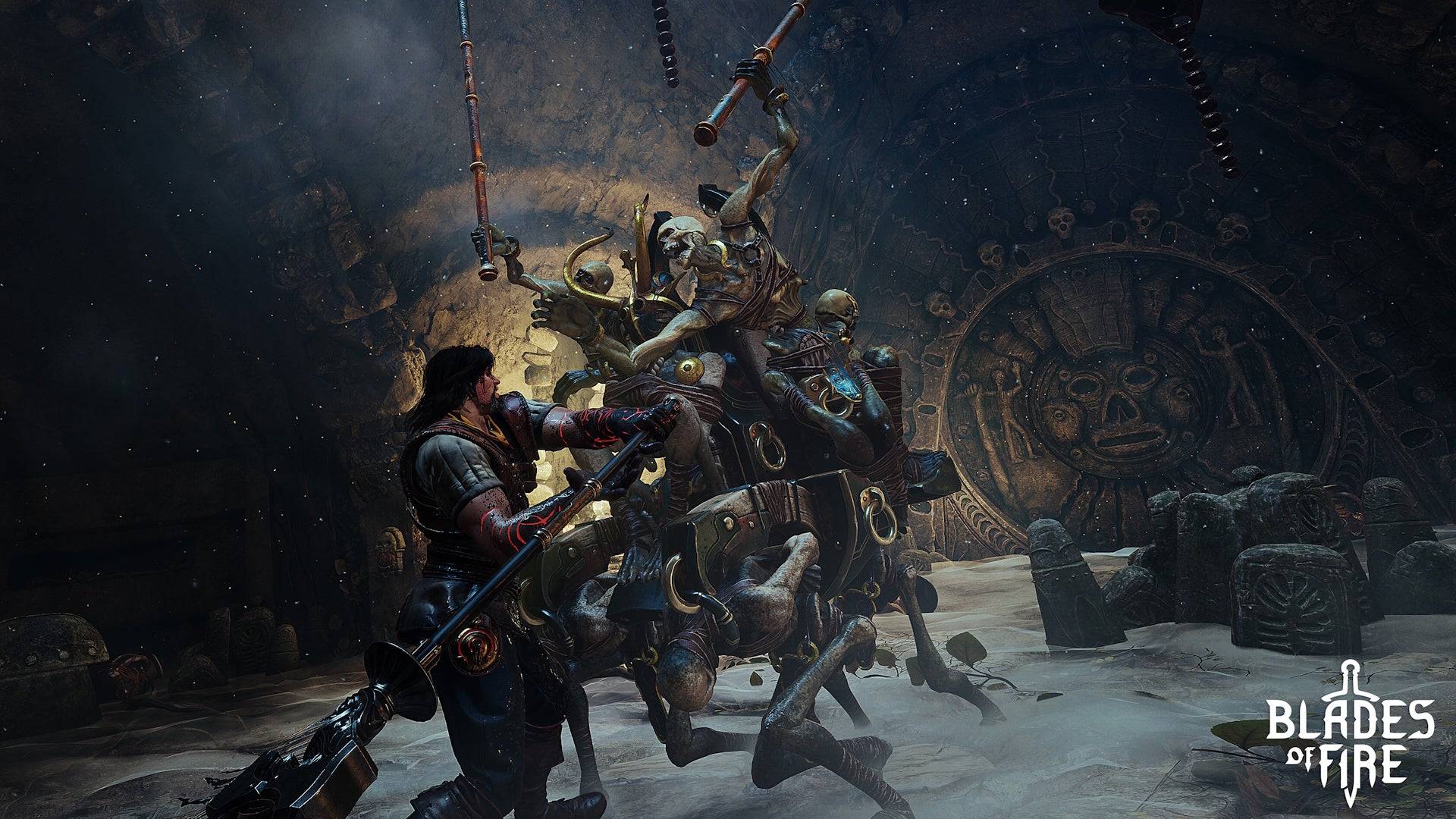
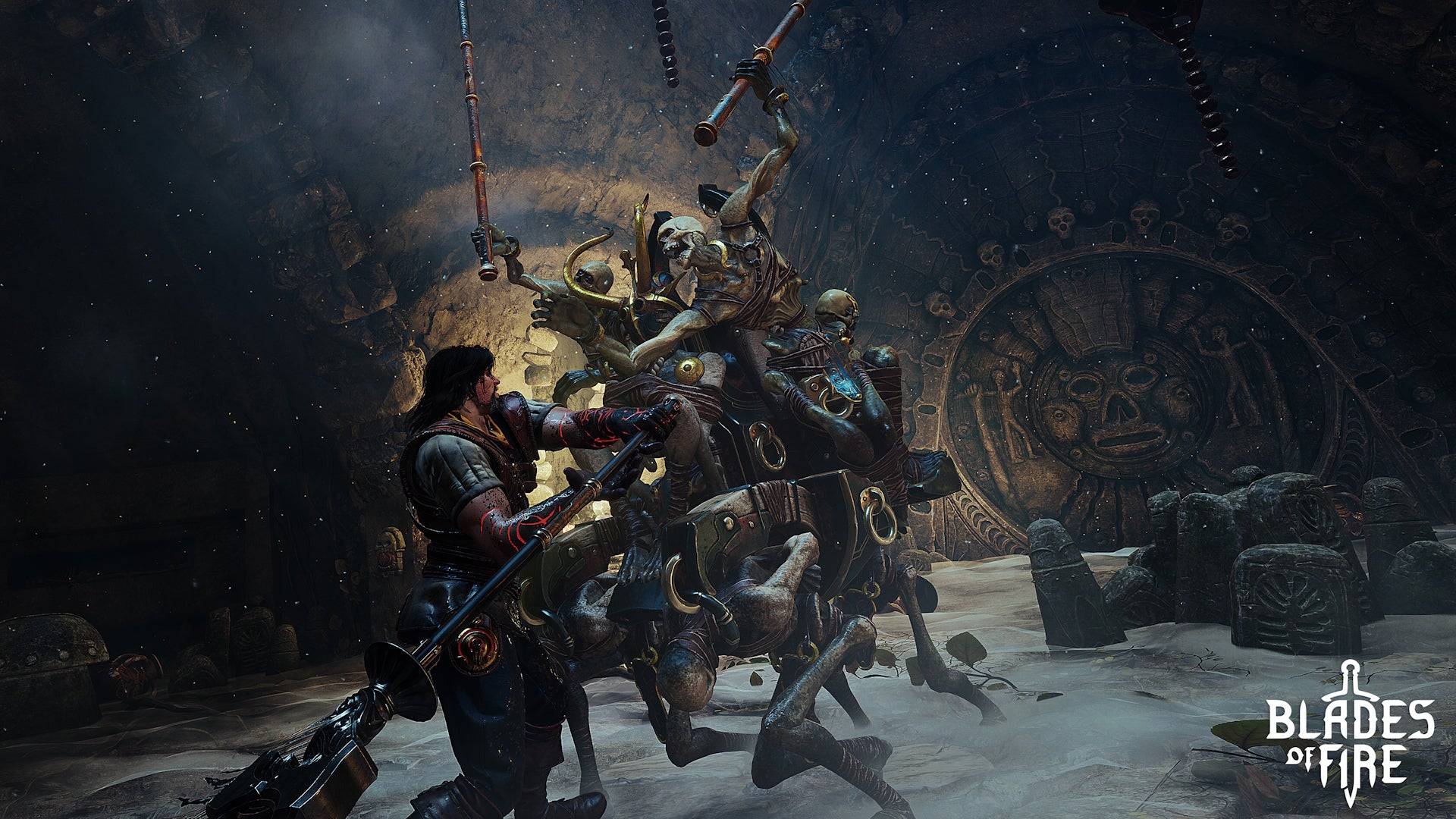
Like many of its predecessors, Blades of Fire's greatest strengths lie in its mechanics. The combat system utilizes directional attacks, engaging every face button. On a PlayStation controller, triangle targets the head, cross the torso, while square and circle deliver left and right swipes. By carefully observing enemy posture, these attacks can breach defenses. A soldier shielding their face, for example, is vulnerable to a low strike. The impact is satisfyingly visceral, with thick blood spurts marking each successful hit.
This system shines in moments like the encounter with the demo's first boss, a hulking troll. Its second health bar only depleted after dismemberment. The severed limb depends on the angle of attack; a right-hand strike detached its club-wielding left arm, effectively disarming it. Even better: I could sever its entire face, leaving it blindly flailing until its eyes regenerated.
The weapon system demands significant player attention. Stamina, crucial for attacks and dodges, doesn't regenerate automatically; it requires manual replenishment by holding the block button. Despite these novel additions, the combat retains a Soulslike feel: attack pattern recognition, precise dodge/block/parry windows, and the inherent risk-reward dynamic are central. The punishment, however, is less severe. This familiarity might trigger FromSoftware muscle memory, but it won't translate directly: the directional attack system necessitates a different control scheme, relocating blocking to the left trigger.
Once I adapted to the lack of face button dodging, the game's unique elements took center stage. The combat felt refreshingly different. Damage output is enhanced by a smart weapon system allowing different stances—slashing with the sharp edge or thrusting with the point. As with directional attacks, enemy assessment (and helpful HUD prompts) determines the most effective method.
Blades of Fire Screenshots
 9 Images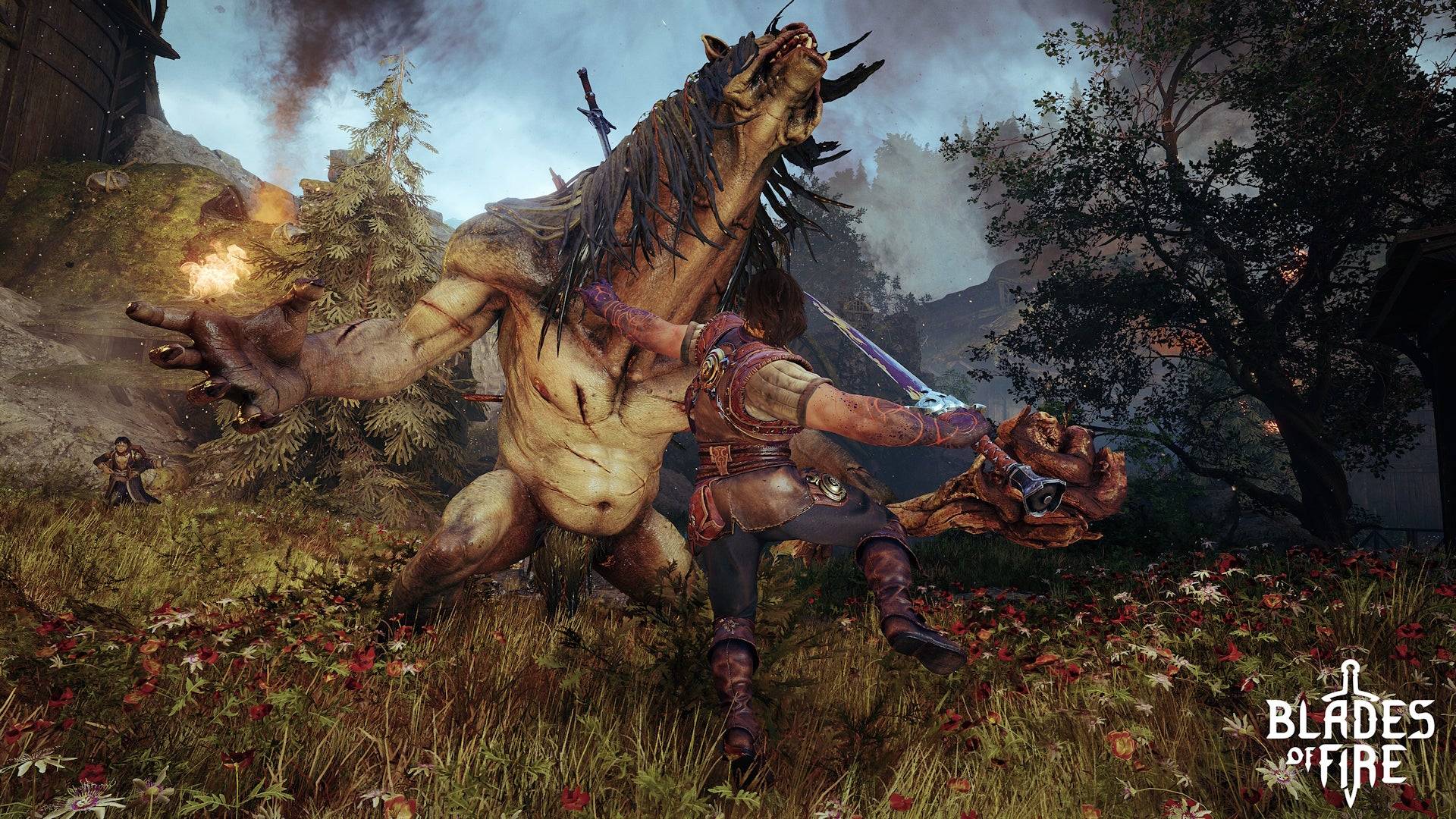
 Your weapons are the core of Blades of Fire, demanding constant attention. Edged weapons dull with use, reducing damage with each strike. Sharpening stones restore the blade, or you can switch stances; the edge and point wear independently, reflecting fighting style.
Like in Monster Hunter, sharpening mid-combat becomes necessary. However, every weapon has a depleting durability meter, regardless of maintenance. Broken weapons can be repaired at anvil checkpoints or smelted for crafting—Blades of Fire's most significant innovation: the forge.
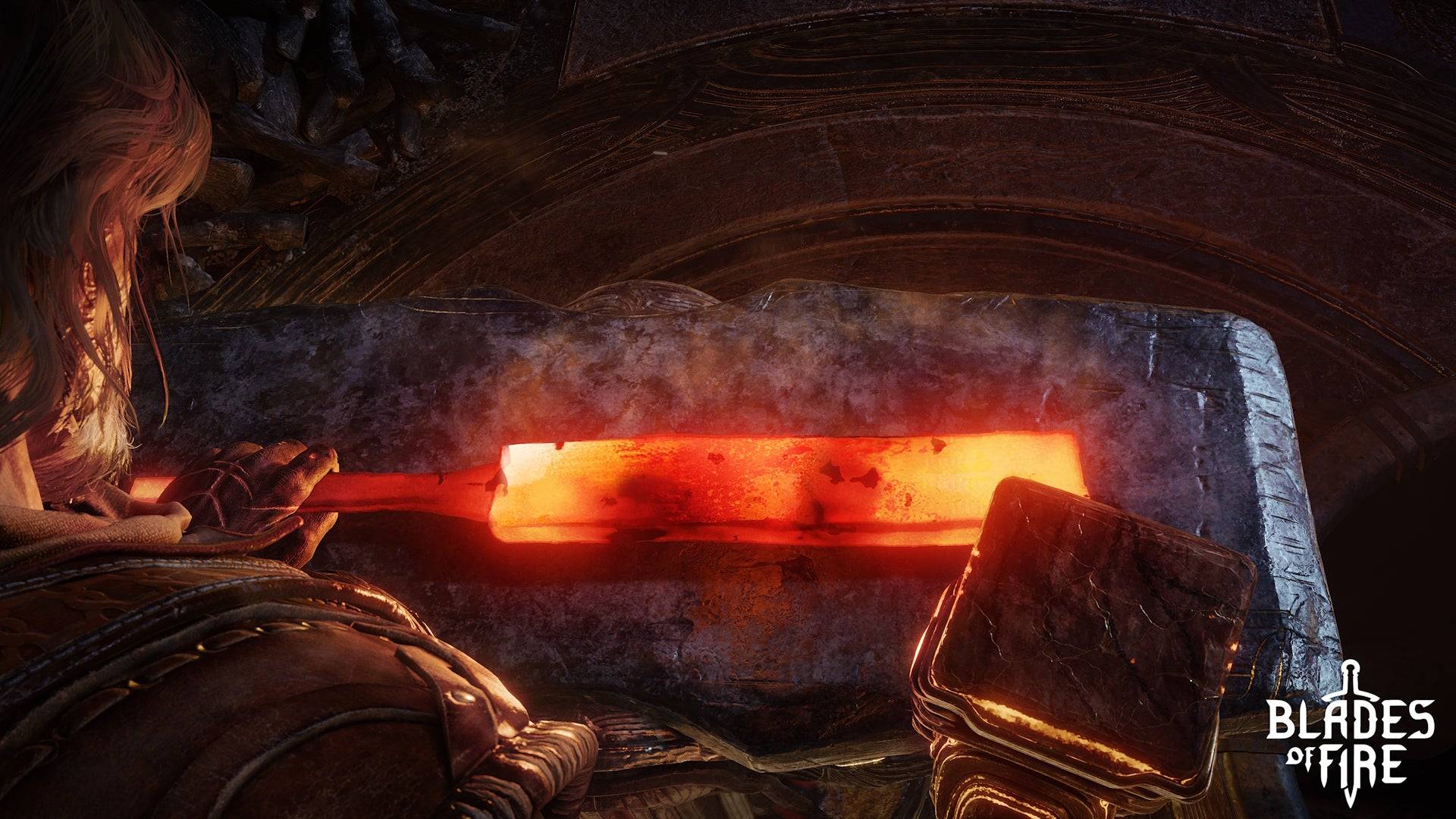
Weapon design begins with selecting a template, sketched on a chalkboard. Tweaks and modifications follow. Designing a spear, for instance, involved adjusting pole length and spearhead shape. These choices affect stats; a longer pole increases range, while the head shape dictates slashing or piercing proficiency. Materials influence weight, impacting stamina consumption. The process feels genuinely like crafting; you even name your creation.
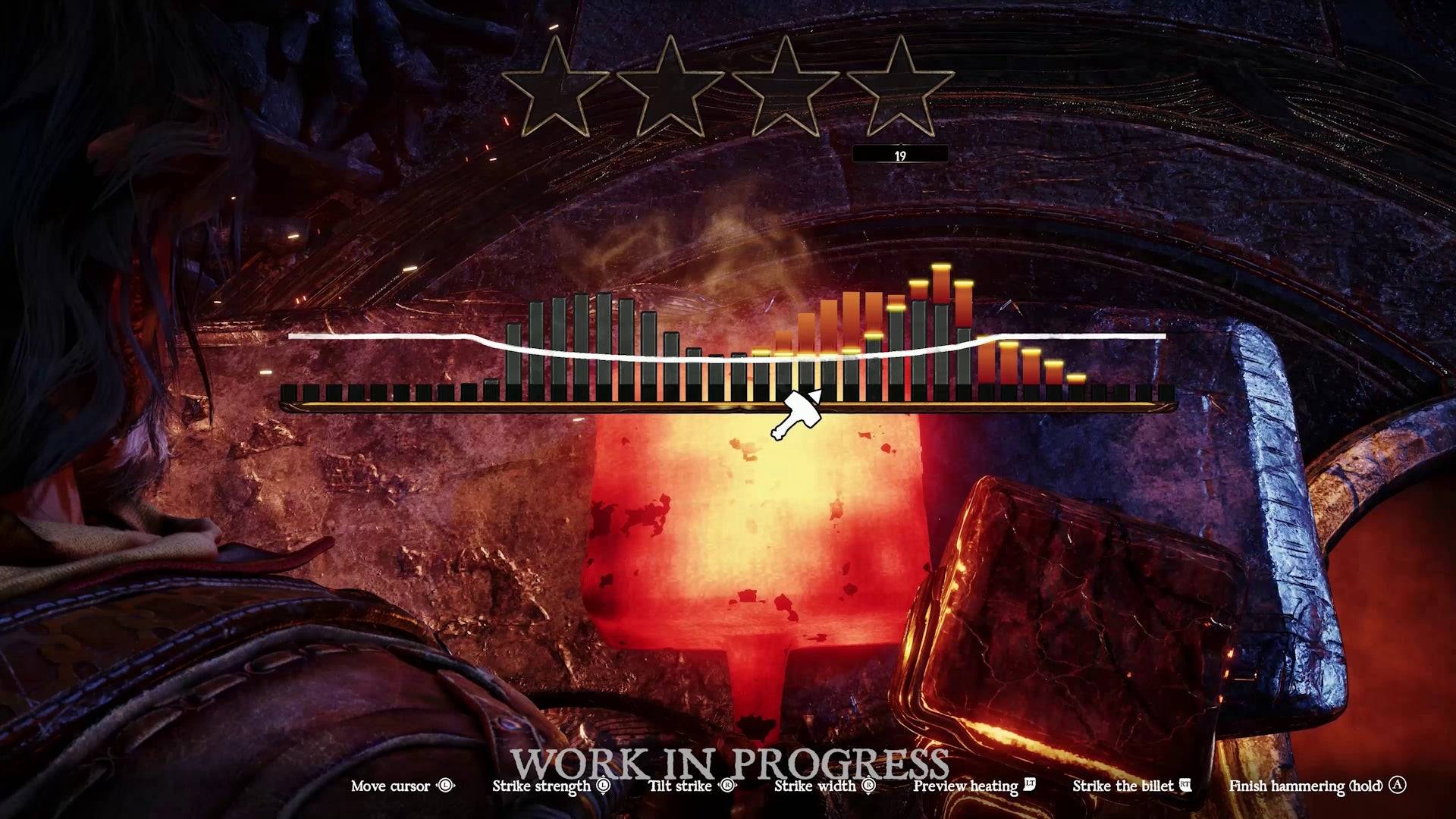
This is only halfway. After design, the metal must be hammered on an anvil, via a detailed minigame controlling hammer strike length, force, and angle. A curved line represents the ideal; each strike manipulates vertical bars to match this line. Overworking weakens the weapon, so efficiency is key. A star rating rewards effort, influencing repair frequency before permanent breakage.
The forge's core idea extends beyond the demo's three hours. MercurySteam aims to foster deep attachment to crafted weapons, carrying them throughout the 60-70 hour journey. Discovering new metals allows reforging, ensuring suitability for escalating challenges. The death system emphasizes this bond; defeat results in dropping the current weapon, requiring recovery.
AnswerSee ResultsThis mechanic, while inspired by *Dark Souls*, builds on a different, arguably more meaningful connection: lost souls are replenishable, but a cherished, crafted weapon is irreplaceable. Dropped weapons remain in the world, the challenge being their recovery. I'm eager to see how this plays out across the entire campaign and whether backtracking will reunite players with older weapons for reforging.MercurySteam's adoption of Dark Souls elements is unsurprising, reflecting FromSoftware's impact and Blades of Fire's status as a spiritual successor to Blade of Darkness, a MercurySteam founding members' early 2000s title considered a Soulslike precursor. They're essentially resuming their work, incorporating advancements made by other studios during their absence from the genre.
Concerns remain: the generic dark fantasy setting's suitability for a 60-hour adventure and the repetitive nature of encountering the same mini-boss multiple times within three hours raise questions about variety. However, the demonstrated depth of the forged weapon/enemy interaction is captivating. In a landscape dominated by complex games like Elden Ring and Monster Hunter, Blades of Fire has the potential to offer something truly fascinating.