Don’t be misled by Elden Ring Nightreign’s label as a spin-off. It offers ample material for those who crave deeper lore. Like the towering Erdtree, Nightreign is simply one branch—an alternate timeline rooted in the world of Elden Ring. It introduces its own distinctive concepts and fresh characters, even if its events are not directly linked to the original story. The meaning behind this will become clearer as we explore the game’s conclusion below.
Warning: This article discusses spoilers for the ending of Elden Ring Nightreign.
Is Nightreign Canon?
Nightreign reshapes the history of The Lands Along a separate path, branching from a crucial moment in the lore to explore what might have occurred if events had taken a far darker turn. Consider Nightreign’s narrative an alternate timeline, not part of the official canon. You don’t need deep knowledge of Elden Ring to enjoy the game, but you will spend considerable time undertaking expeditions and battling Nightlords to piece together the full story. Once you do, you’ll understand how Nightreign both aligns with and diverges from the established tale of the Lands Between.
Elden Ring Nightreign Ending Explained
As the opening cinematic reveals, Nightreign unfolds in a world where the Tarnished never arrive. The conflict among the gods—The Shattering—erupts after Queen Marika shatters the Elden Ring, plunging the Lands Between into chaos. Millennia pass with no one claiming the throne, eventually drawing forth the “abomination” known as the Nightlord. This nameless entity acts as a walking cataclysm—wherever it treads, the Night follows, and unending rain gradually erodes the world into oblivion.
True to FromSoftware’s style, this timeline surpasses the bleakness of the original. The Elden Throne is a vacant seat amid ruins fading from existence, with nothing left to rule or conquer. Yet a unique band of individuals, chosen by an unseen master, strives to defeat the Nightlord and end the perpetual darkness.
That’s where our role begins. As Nightfarers, we join forces to hunt lesser Nightlords while advancing toward the heart of the calamity. This journey takes us through the remnants of Limgrave, where we confront familiar foes from Elden Ring and even the Dark Souls series. Though the game does not outright explain why these worlds have merged, it can be interpreted as a consequence of reality tearing apart as the universe collapses inward.
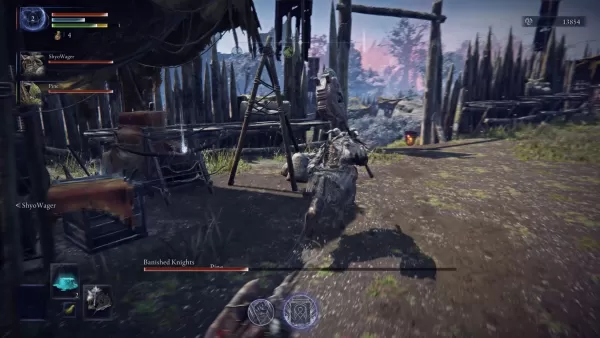
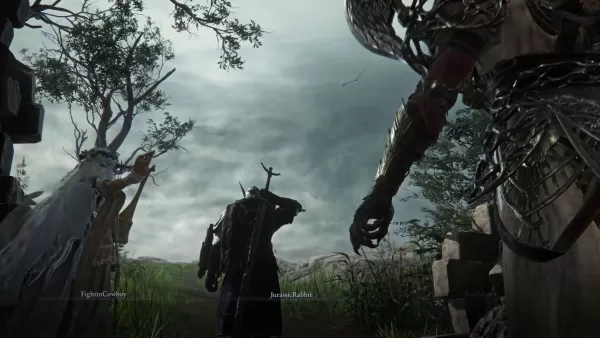
Elden Ring Nightreign Review Screenshots
View 121 Images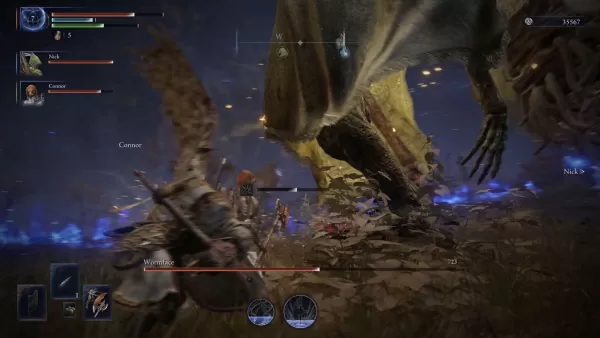
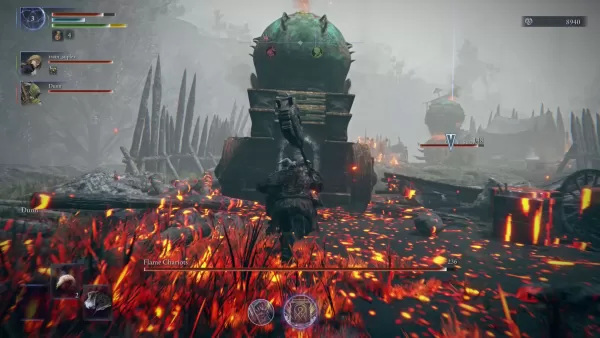
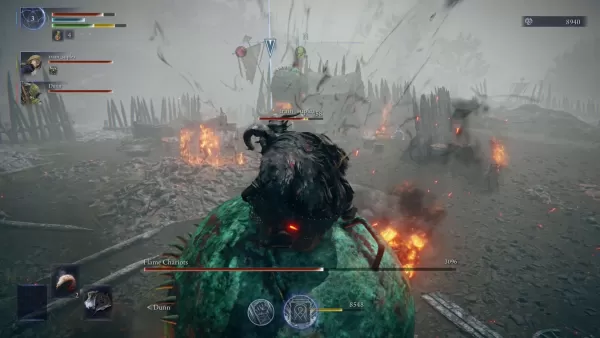
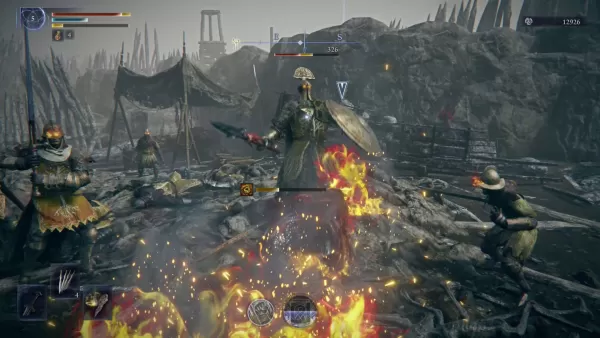
After defeating a sufficient number of Nightlords, the true mastermind is unveiled: Heolstor, a withered man with three arms, one of which wields a sword reminiscent of the Moonlight Greatsword from Dark Souls. This battle stands among FromSoftware’s most spectacular boss encounters. Victorious players receive the Primordial Nightlord’s Rune, which echoes the Great Runes of Elden Ring but bears a dark, inky tone.
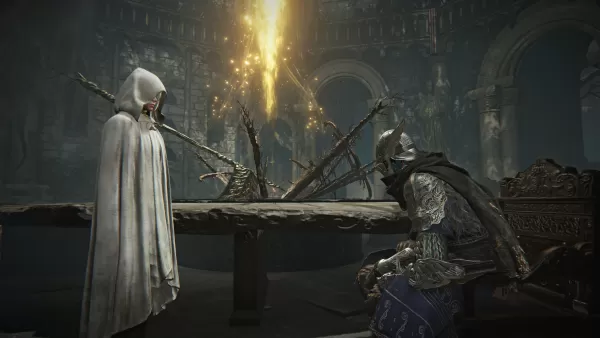
Normally, after beating a Nightlord, you return to allies gathered at the Roundtable Hold. But with Heolstor’s defeat, you stand before a long-deserted Hold. Inside lies a petrified corpse; placing the rune before it causes your Nightfarer to dissolve into streaks of light that shoot into the heavens.
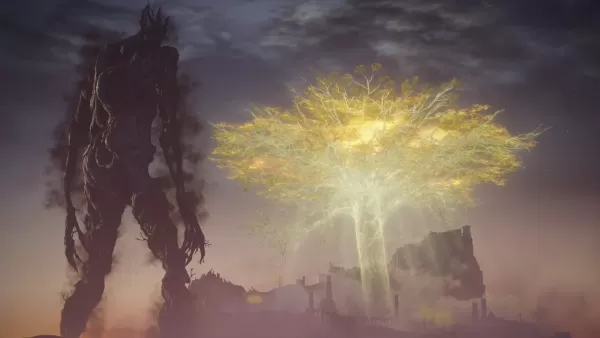
In a post-credits scene, the Lands Between appears as we know it from Elden Ring—complete with the Erdtree—as golden leaves drift through the air. One leaf lands on a tree branch atop a giant, wooden figure resembling Heolstor. Emerging from the sea, it briefly turns toward the Erdtree before walking away.
The implication is clear—by defeating Heolstor, we have retroactively prevented the Night from ever occurring. In essence, we have severed Nightreign’s storyline for good, allowing the events of Elden Ring to unfold as depicted in the original game.
Who is Heolstor and what happens in the alternate endings?
Little is known about Heolstor beyond the relic obtained from his defeat. It briefly recounts the tale of a knight slain by a hero, only to awaken mysteriously and curse the world. This vagueness invites multiple interpretations, but the most plausible suggests he is intentionally a nobody—a cosmic inevitability as natural as the setting sun.
This theme resonates in the alternate ending available to the Wylder, should you complete his remembrance quests. Rather than erasing the timeline, the Wylder takes on the role of Nightlord by using a Larval Tear—an Elden Ring item tied to rebirth. Earlier in his quest, you learn that the Roundtable Hold exists only because the Nightlord does, and his sister, the Duchess, is bound to the same fate. He offers himself to the Night to ensure her survival.
In Ironeye’s unique ending, he cuts the throat of the petrified corpse in the empty Roundtable Hold, thereby extending the Night. His aim is to safeguard his clan of immortal warriors—known in Elden Ring as Those Who Live in Death. In the original timeline, these beings are hunted by the Erdtree’s adherents. Ironeye’s choice spares them this persecution but ultimately dooms the world.
The Recluse’s ending is the second most hopeful outcome. Her remembrance recounts abandoning her child, who then fell prey to an insatiable hunger, even devouring her own sister. After Heolstor’s defeat, the Recluse discovers the Night-touched infant in the Roundtable Hold and cradles it. Her affection soothes the child, apparently halting the rise of a new Nightlord.
The remaining Nightfarers lack unique endings. Their arcs follow the default conclusion, and they presumably vanish alongside the erased timeline. However, Nightreign’s story isn’t finished: FromSoftware plans to release additional Nightfarers via DLC, offering further glimpses into this sorrowful world—possibly through new alternate endings.