
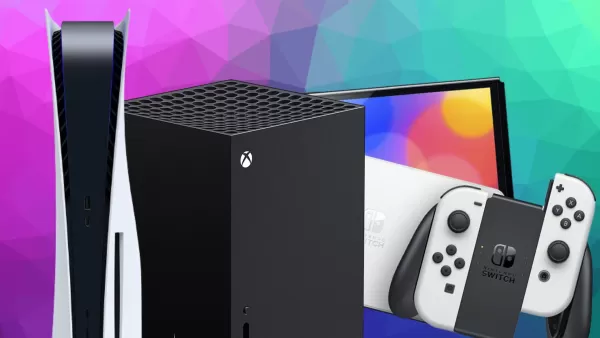

The Trump administration's tariff policies are now directly impacting U.S. consumers, with potentially greater effects still emerging. Initial warnings from analysts following March's tariff announcements materialized as price increases and supply chain disruptions began affecting everything from gaming consoles to physical games and accessories.
After implementing a 10% universal tariff on imports in April, the White House imposed so-called "reciprocal tariffs" targeting over 50 nations. Chinese imports briefly faced staggering 145% tariffs before a temporary reduction to 30% in May.
While the constantly evolving tariff landscape proves difficult to track, its transformative effect on the gaming industry becomes increasingly apparent. Industry leaders including Sony, Microsoft, and Nintendo are responding with price adjustments, supply chain evaluations, and preparations for continued market turbulence.
Major Gaming Brands
Companies like Sony, Microsoft, and Nintendo currently hold advantages due to substantial financial reserves and adaptable supply chains, but prolonged tariffs will likely force price increases affecting consumers.
Sony
Sony has remained notably silent regarding recent U.S. tariff changes, maintaining PlayStation prices domestically despite implementing increases internationally. The company cites economic challenges including inflation and currency fluctuations as driving factors.
Sony CFO Lin Tao acknowledges monitoring market trends closely, with potential price adjustments affecting both products and distribution strategies. Current estimates suggest tariffs could impact Sony's business by approximately $685 million.
While Chinese manufacturing dominates PlayStation production, Sony actively diversifies its supply chain and explores U.S.-based manufacturing options. The company maintains a three-month PS5 inventory buffer in U.S. warehouses.
Microsoft
Microsoft reacted swiftly to tariff announcements, implementing immediate Xbox hardware price increases. The Xbox Series X now retails at $600, reflecting higher Chinese import costs.
The company demonstrates flexibility through existing facilities in Mexico and Vietnam, signaling gradual supply chain diversification. Microsoft confirms upcoming game price increases during the holiday season, with first-party titles rising to $79.99.
Accessory pricing faces similar pressures due to continued Chinese manufacturing reliance. The company's broader hardware portfolio encounters comparable challenges despite partial production shifts to Southeast Asia.
Nintendo
Nintendo's Switch 2 launch coincided curiously with new tariff implementations, sparking consumer concerns about its $449 base price. The company opted to maintain console pricing while increasing accessory costs by $5-$10.
While Vietnamese production now accounts for one-third of Switch 2 output, Chinese manufacturing remains dominant. Nintendo stockpiled over one million units domestically ahead of launch to mitigate tariff impacts.
Company President Shuntaro Furukawa expressed concerns about reduced consumer spending power but maintains aggressive sales projections of 15 million units annually.
Razer
The premium peripheral manufacturer faces significant challenges with most products originating from China. Temporary sales suspensions occurred when tariffs peaked at 145%, potentially leading to permanent price increases affecting accessibility.
Dell
Dell's Alienware division benefits from global manufacturing diversification but remains vulnerable to supply chain disruptions. Semiconductor tariff exemptions proved crucial for maintaining production stability.
Additional Affected Gaming Accessory Brands

Numerous accessory brands relying heavily on Chinese manufacturing anticipate increasing pressure from continuing tariffs:
- 8BitDo: Suspended Chinese shipments, relying solely on U.S. inventory
- ASUS: Primary production in China and Taiwan with Vietnamese assembly
- Corsair: Manufacturing across Taiwan, China, Philippines, Thailand, and Vietnam
- Gigabyte: Production based in China and Taiwan
- Logitech: Predominantly Chinese manufacturing with additional Southeast Asian facilities
- Samsung: Global manufacturing presence but maintains significant Chinese production
- Valve: China-based production for Steam Deck and Index VR hardware