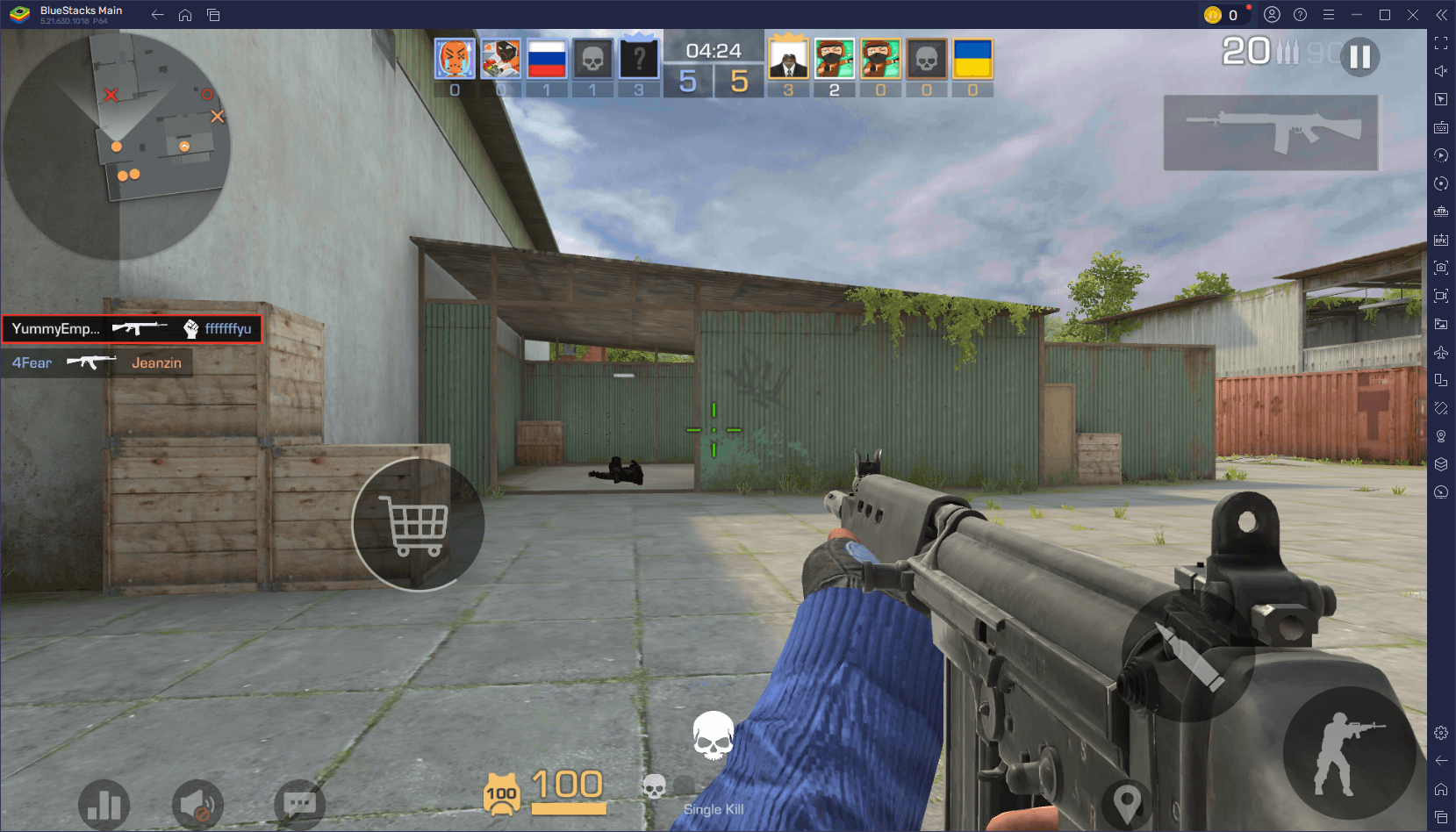
Mastering your weapon in Free Fire goes beyond simply choosing one with high damage stats. True skill lies in understanding its firing mechanics. Whether you're wielding an SMG for aggressive pushes in Clash Squad or an Assault Rifle to control the battlefield in Battle Royale, your accuracy hinges on two fundamental systems: bullet spread and recoil.
Both mechanics significantly influence your shot placement, particularly during sustained fire. If you've ever felt your aim was unreliable or noticed your crosshair drifting while stationary, this guide will demystify the behavior of different weapon types and show you how to fire with precision. We'll explore how bullet spread and recoil function in Free Fire and provide actionable strategies to control them. For a foundational overview, be sure to read our Free Fire Beginner's Guide!
What Is Bullet Spread in Free Fire?
Bullet spread describes the random deviation in your bullet trajectories, even when your crosshair is perfectly on target. This effect is most pronounced when firing automatic weapons on full auto, jumping, or moving while shooting.
Factors That Increase Bullet Spread:
Moving or jumping while firing. Holding down the fire trigger for extended bursts. Using weapons with inherently low accuracy. Lacking stabilizing attachments like foregrips or muzzles.
How to Reduce Bullet Spread:
Stand still or crouch before firing. Use tap-firing or short, controlled bursts instead of continuous spray. Equip accuracy-boosting attachments, such as a muzzle or foregrip. Utilize aim assist judiciously in close-quarters combat.
Managing bullet spread is often the deciding factor between securing a crucial headshot and missing completely, especially in fast-paced, rapid-fire engagements.
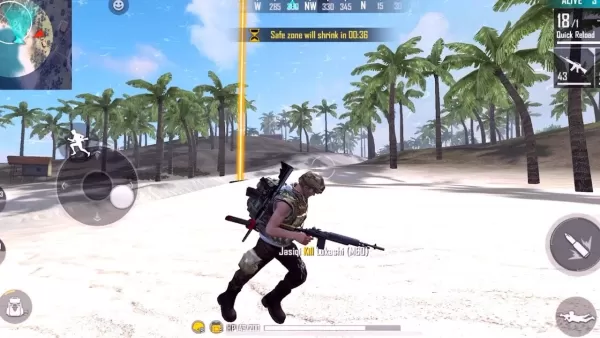
Best Attachments for Recoil and Spread Control
Equipping the right attachments can dramatically enhance your weapon's handling and effectiveness.
Foregrip: Reduces both vertical and horizontal recoil. A must-have for ARs and SMGs. Muzzle: Tightens bullet spread, improving overall shot grouping and accuracy. Stock: Enhances weapon stability and decreases the delay for recoil recovery. Scope: While it doesn't directly affect recoil or spread, a good scope aids in target tracking and precise aiming.
Always prioritize attaching these to weapons with high recoil. Many experienced players even select their loadout based on the attachments available to them.
In Free Fire, effective shooting requires more than just pulling the trigger—it demands an understanding of your weapon's behavior under combat stress. Bullet spread and recoil are the core factors that determine whether your shots find their mark or fly wide, particularly in chaotic firefights. By studying how different weapon classes perform, kitting them out with optimal attachments, and practicing recoil control techniques, you'll secure a significant advantage over less disciplined opponents.
Whether you're a sniper lining up the perfect one-shot elimination or a front-line rusher trying to maximize your SMG's efficiency, mastering these mechanics is essential for reaching an elite level of play. Learn your weapon's characteristics, work within its limits, and take precise control of every shot you fire. For the optimal gameplay experience, consider playing Free Fire on PC with BlueStacks!